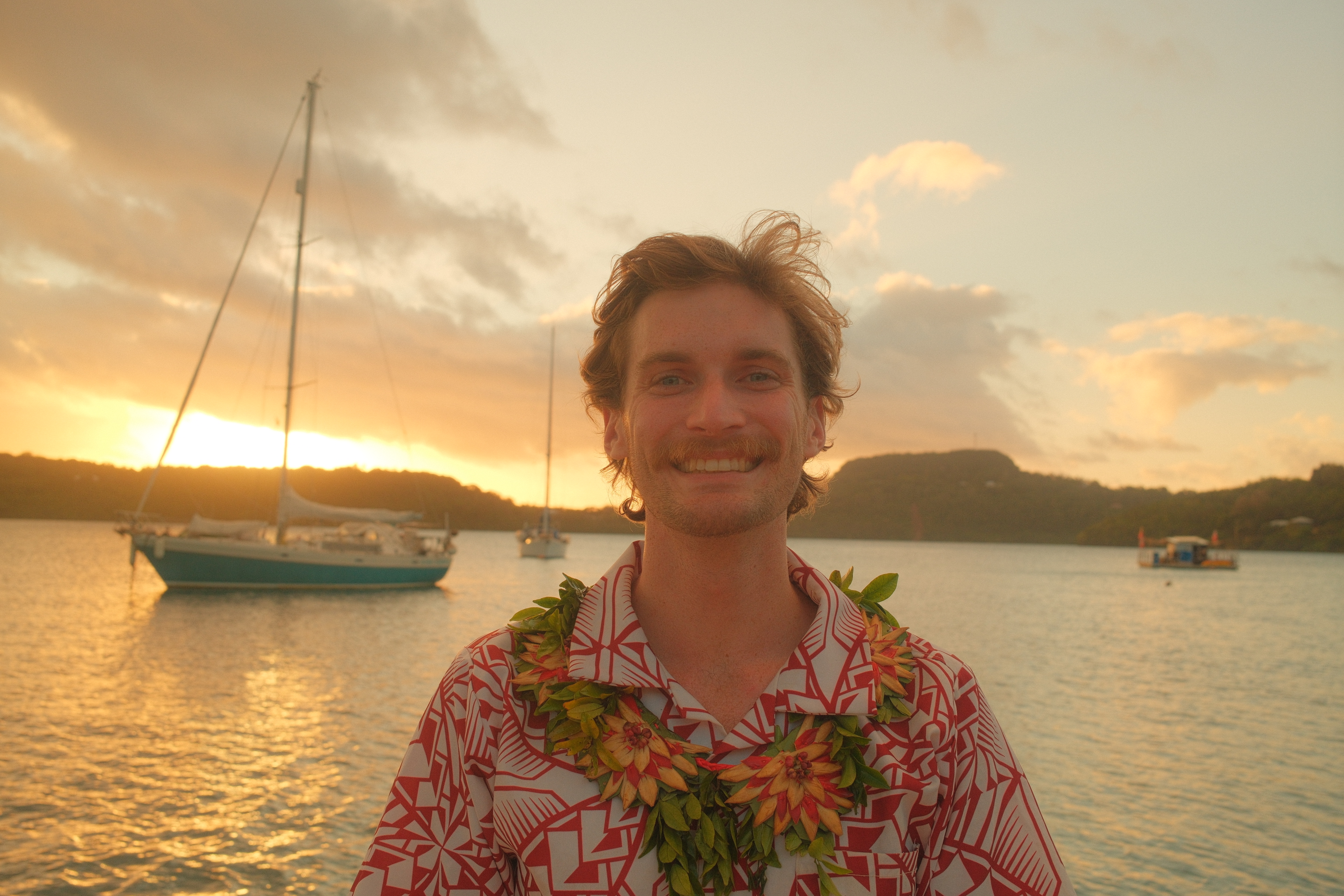
No matter where in the world you go with the Peace Corps, before you are a PCV (Peace Corps Volunteer), you are a PCVT (Trainee). Only one thing stands between a person dropping the T from their acronym and that is PST.
Pre-Service Training on a surface level doesn’t sound all that bad. Three months of training in which you go through countless hours of roundtable sessions, covering everything identifying dangerous sea animals, such as the stonefish, to 70-minute sessions with a PCMO (Peace Corps Medical Officer) describing to you everything you’ll ever need to know about the different stages of diarrhea and how to avoid them; every time I look at a vegetable that is even remotely mushy I see Dr. Kapoor waving a finger at me.
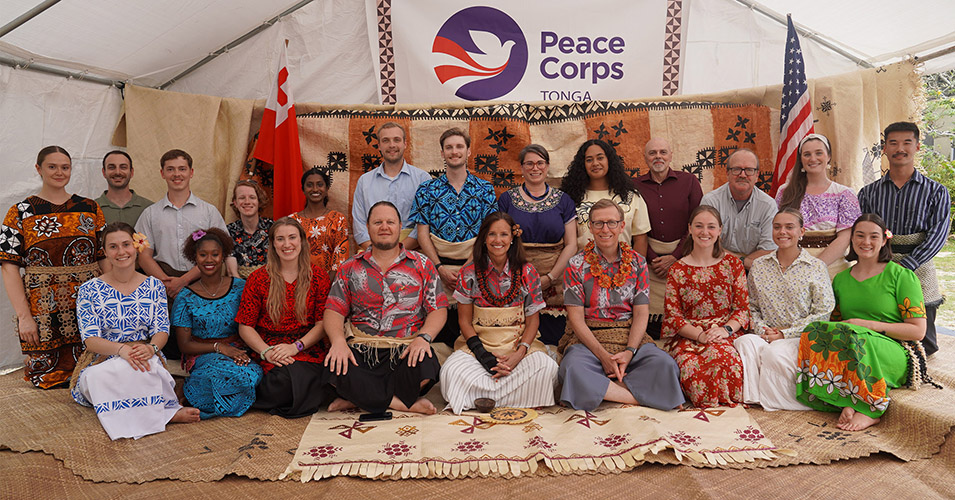
Having officially sworn in with Peace Corps Tonga with the wonderful Cohort 86, better known as G86, I can now say I’ve gone through two PSTs*. Coming into my PST in Tonga I thought I had a good idea of what to expect. I was very wrong. The structure of Peace Corps Uganda was split up into three parts.
*This is the last time I will be mentioning my prior Peace Corps Service on this blog, time to focus on Tonga!
Part I – One month in a dorm-style corridor with all-day sessions, five days a week. Sessions were all things policy… safety and security, cultural integrations training, PCMO, etc.
Part II – One month of practicum at a school. This cohort was entirely education volunteers. We stayed at a boarding school and five days a week we would teach.
Part III – This is the most important part, and it is very relevant to my PST in Tonga. Host family stays and language training. The Cohort of 29 people split into five language groups, dispersed around the country with their groups, and would stay with a host family. Five days a week we would have intense 9-hour language sessions as well as community integration trainings (like going to a market and buying a pineapple using local language).
After less than two days in The Kingdom I was mentally preparing for what I thought were going to be sessions, however, I quickly learned that for the entirety of PST, we would be doing all three of the stages from Peace Corps Uganda simultaneously, including three months with a host family. Our group of 19* would also be split into three separate language groups, all staying in different communities. The communities were relatively close, but we mostly only see each other during group sessions.
*G86 consists of 9 education volunteers and 10 environment/climate resilience volunteers, a Peace Corps first!
Tonga is in the middle of the South Pacific. When trying to find Tonga on Google Maps while thumbing around the ocean on your phone you must zoom in, a lot. It’s a beautiful island. Not just in the Peace Corps, but in all things in life, having no expectations is important to mitigate inevitable feelings that arise when things don’t work out with how you hoped they would go. With that being said I did break my rule and spend my days leading up to Tonga fantasizing about spending my evenings by and in the water unwinding during my Pre-Service Training. That did not happen as I ended up being landlocked during PST.
The little ole village that I stayed in is called Pelehake. If you look at a map of the main island of Tonga, Tongatapu, it looks like a shark tooth. On the fattest part of the tooth, directly in the middle of it is where you will find Pelehake. As far as a tourist attraction in Pelehake, there are none. As far as scenic sites, there’s some good bush to walk through. There is a lot of through traffic in Pelehake as it is near the airport and is the fastest way to the capital is directly through town. Pelehake is essentially one long road with veins that branch off the road that make up streets in which houses reside. The three language groups would have language sessions in their respective villages, but all other sessions would take place in Pelehake. The result of this is for weeks at a time I, and most of my fellow Pelehakian PCVTs, wouldn’t leave Pelehake.
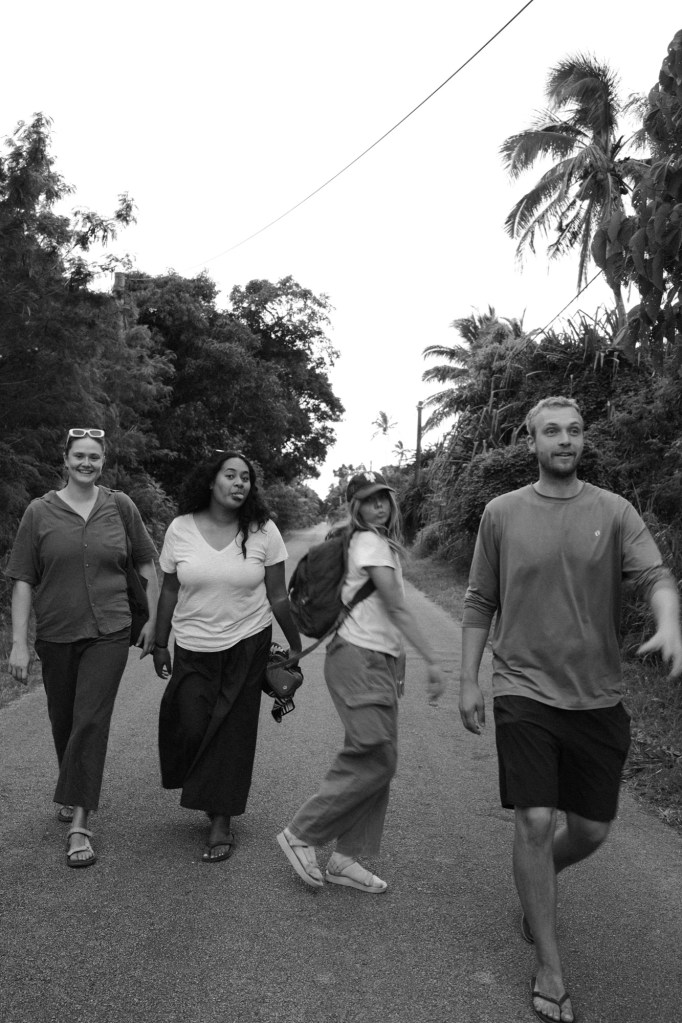
It’s a very quiet village, Pelehake residents really do live on island time, and that’s okay. I learned a lot about myself during my time in Pelehake, and things I know prepared me to be a better volunteer in The Kingdom. Most of all, I improved my ability to be patient, aside from my memory, I would say the ability to be patient is one of my worst attributes. As I am writing this blogpost right now I have been at my permanent site for two weeks and I can already attest that this part of me has improved.

Speaking of “island time” and honestly just going with the flowin general, I never really had any idea what the week was going to look like. In fact, I usually found out what I was doing on any given day the moment before it happened. A PCV that COS’ed* shortly after we arrived in The Kingdom said something I’ll never forget about being a volunteer in Tonga, “Plan like crazy and go with the flow”. I would show up to sessions professionally dressed in local attire and have my materials on me for whatever session could take place, and whatever sessions happened to take place that day I would be as prepared for as I could be.
*Close of Service, when you finish your 27-month Peace Corps assignment.
One day during a session with our Country Director, he spoke to us about various rules we must follow and others we mustn’t break. One of the no-no’s is gambling and that we strictly are not allowed to do it. He said, “This is not Pele Las Vegas, do not gamble”. I thought that wording was funny. My language group already played cards most nights (not gambling obviously, just card games) so the nickname “Pele Vegas” was born.
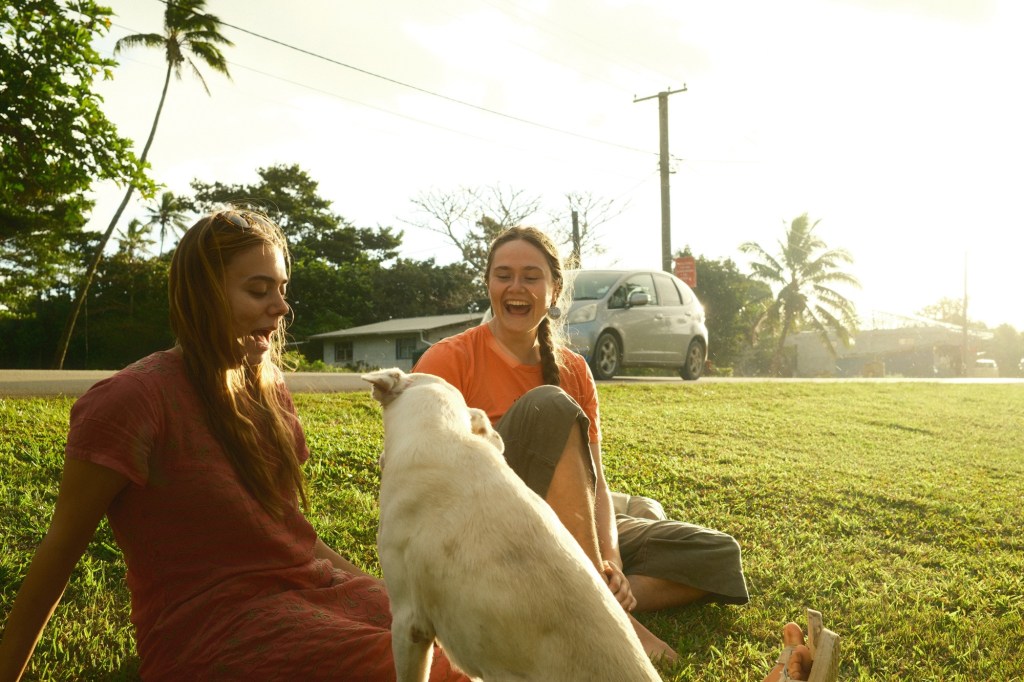
I couldn’t have asked for a better group of people to have been stationed with in Pele Vegas. So, who were these people?
Justin – My dog. Justin is the first person I met. We stayed together at staging at a hotel in San Francisco. Justin was the only other guy in our group, so it was nice to be able to have “dude talk” with him. In fact, I loved talking to Justin about anything and everything.
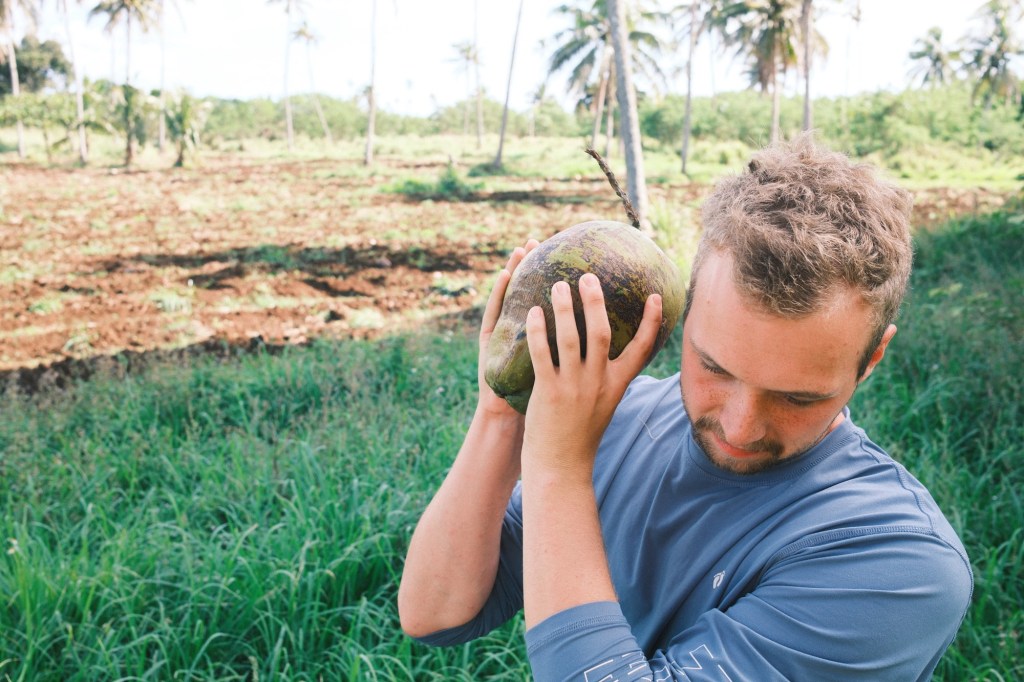
Kaylee – Kaylee is carrying on the legacy of her father who served in Peace Corps Tonga way back in 1976 with Cohort-18 (whom I’m looking forward to meeting in December). Kaylee is good at everything, she’s smart, athletic, and competitive. When we played cards, which we did a lot, she must’ve won 80% of the games we played. She is amazing at sports too. I played her one-on-one once in basketball ball and facing her in the paint was an experience I would only wish on my worst enemy.
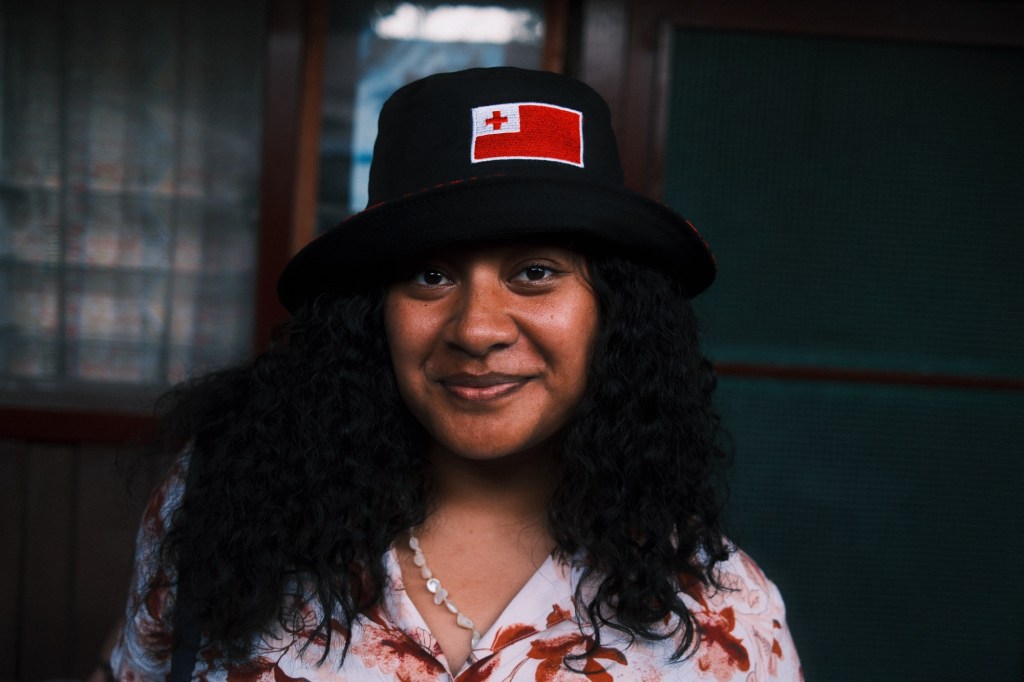
Elanoa – My fellow Oregonian. Some fast facts about Elanoa:
– She grew up on a farm
– She chooses to spell words in Bananagrams that she thinks are cool and doesn’t care about winning
– Her parents met at a Grateful Dead concert (they locked eyes through a flame)
– She was a member of a certain club in college that I won’t mention but I think is cool
– Might be the kindest soul I have ever met, and I like to think I’ve met a lot of good souls out there
Being in the same room as Elanoa is always a good experience. She is a lovely human, so easy to talk to and loved by all (in our cohort, but I’m sure beyond as well).
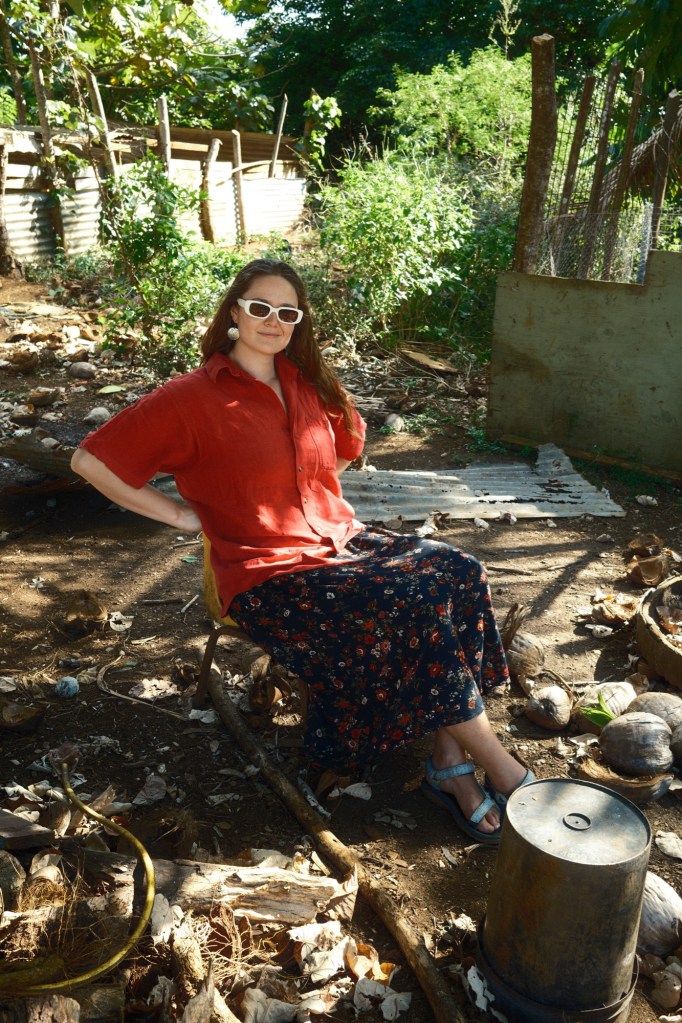
Ella – The first message Ella ever sent in our cohort group chat during staging in San Francisco was, and I quote, “AHHHHHHHHHH!!!!”. That is a good introduction to who Ella is. Ella is someone that I know will be in my life for the rest of it. She’s one of the most unique people I’ve ever met; she’s also a very talented painter/artist. I’m sure that compliment will boost her ego. Ella is someone I could bond with over the bullshit but also get real with on a moment’s notice. With all that being said, I despise Ella for the torment she bestowed upon me during cards, always a foe never an ally.
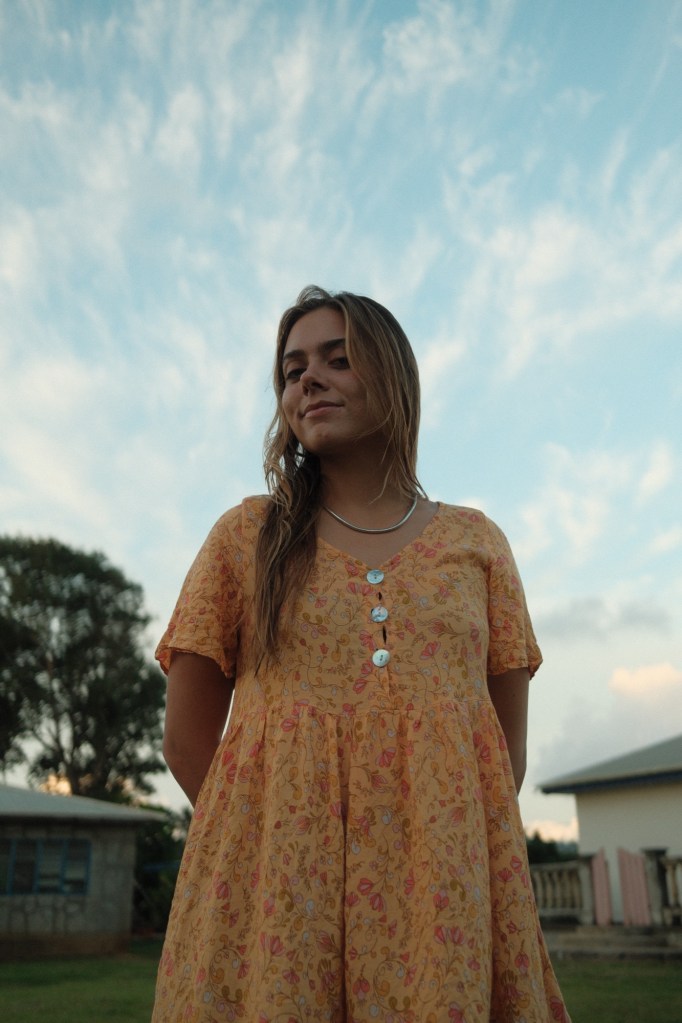
Site Placements
As PST was drawing to an end, everyone was at the end of their ropes for one reason or another. Personally, I had an array of health problems. During PST I had a sinus infection, a respiratory infection, a cold, and COVID, and the last week Ieven managed to rupture my ear drum*. On top of that, due to another issue, I was down 10lbs. During PST you work every day to eventually make it to your site, but get this, you don’t find out where your site is for 10 weeks! Furthermore, what makes Tonga unique from other Peace Corps countries is you can also be sent to an even more remote, outer island. Tonga is made up of 176 islands in total, but only 36 are inhabited. The approximate amount of people living on all of these island is 106,000**. Where we would end up was the most talked about topic during our card games. It seemed like every day it would come up at least once. No one knew anything, but we all had our theories. “I’m going to end up here because… I see this person ending up here for this reason… They wouldn’t send me here because of this issue…”. Looking back, it’s hilarious to just how wrong all of us were. No one in my language group correctly guessed which island they were going.
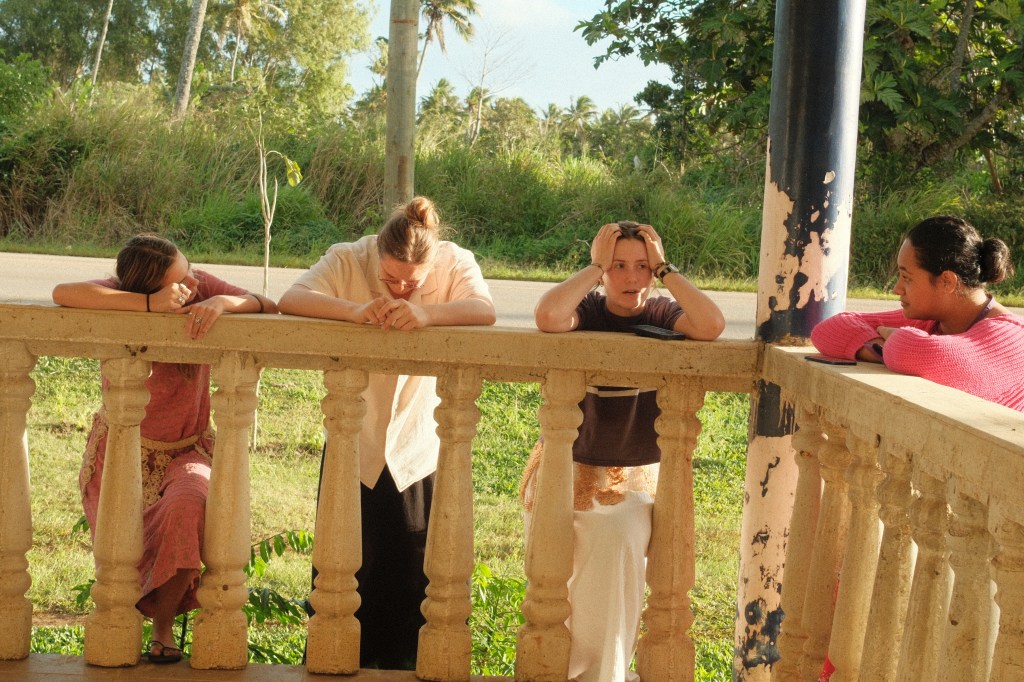
*I decided to jump off the second level of a boat during a snorkeling trip and submerged too deep too quickly… I don’t know if it was worth it, but it sure was fun.
**While 106,000 Tongans live in Tonga, over 150,000 Tongans live outside of The Kingdom. The majority living in Australia, New Zealand, and the United States.
The four islands a volunteers in Tonga can be placed on are:
Tongatapu – the main island, a whole lot of people, all the amenities you need, very flat, population of 74k
‘Eua – a small little island with some serious cliffs. Right next to Tongatapu. It is home to the world’s shortest continental flight at seven minutes and 22 seconds (I timed it), a population of 4k (up for debate says my friend who lives there)
Ha’apai – A very small group of islands, flat as a pancake, but some of the world most beautiful beaches. I was told by a friend who served there that this group of islands is “for the those that are the most resilient”. I heard there isn’t much produce there, a population of 5k
Vava’u – This island usually seems to be the fan favorite as it’s seen as the most “touristy”. A lot of scenic beauty here. Everything from cliffs to beaches to being a haven for yachts. Vava’u is the furthest island from Tongatapu that volunteers can be placed on at around 200 miles away, population of 14k
My friend Kyle, a volunteer in the previous cohort, notably, correctly guessed the site for every volunteer in his cohort. During my HVV* with him, he told me he predicted I would go to Ha’apai. Cool with me. While staying with Kyle, aside from observing his impeccable teaching as well as the extremely impressive integration he did in his village, I was able to get a taste of the outer island life. Dogs were nicer, the air smelt better, fewer cars, just a more peaceful environment. Tongatapu is a wonderful island, but the outer island allure gripped me. During my site placement preferences interview with my Country Chair, Dave, I expressed my desire to go to to an outer island, specifically Ha’apai. I felt I gave valid reasons for my request; I made my best case. I had my interview on a beach, after a day of site seeing that I guess happens towards the end of PSTs in Tonga. I was the very last volunteer to have my interview. Unbeknownst to me, my site had already been picked before I had this interview. Dave told me (after the fact) that “your site was the easiest one for me to pick”. I committed to the idea of Ha’apai in my head (again with the expectations, I just can’t seem to learn). I wrote in my journal one night, “Site placements tomorrow… if I get Tongatapu, darn. ‘Eua, sweet. Ha’apai, hell ya. Vava’u would be amazing but that’s not happening.
*Host Volunteer Visit, volunteers in the new cohort spend a few days at the volunteer’s house from the previous cohort.
I had COVID during site placement day, but, after being symptom-free for five days, testing negative twice, and wearing two masks, I got special permission to get told my site in person from around 15 feet away. Naturally, my heart was beating fast, but I wasn’t nervous. The staff asked me how I felt about site placements, and I said, “Well I’ve been treating it like watching a sporting event. I would like a certain outcome, but the results are out of my control”. We chatted for a minute or two and then they slid the paper to me. I was going to Vava’u.
 Cam's Peace Corps Tonga Blog
Leave a comment